

Le Touquet-Paris-Plage: The Guide I Wish I'd Had
Once the most fashionable resort in Europe, then largely forgotten, it's now one of the best short trips from the UK, and almost nobody knows it.

Hey there
Most people flying into northern France are heading to Paris. Le Touquet is what they're flying over.
It sits on the coast about an hour from Calais, close enough that British pilots treat it as a Sunday morning run, and yet outside of aviation circles, almost nobody seems to know it exists. Which is strange, because a hundred years ago, it was one of the most fashionable resorts in Europe.
I've been going for three summers now, and I'm still finding new reasons to go back.
The History
Le Touquet’s story starts in the late 19th century with a Parisian lawyer named Alphonse Daloz, who looked at a stretch of dunes on the northern French coast and decided to build a resort to rival Deauville. He named it Paris-Plage — Paris’ beach — which tells you everything about his ambitions.
Then, in 1902, an English businessman called Sir John Whitley arrived and bought the town. The whole thing. His plan was to turn it into a playground for the British elite, and he built accordingly: hotels, a racecourse, a golf course and casinos. That last one mattered more than it might sound. Gambling was illegal in England at the time. Le Touquet was close enough to feel familiar and just foreign enough to get away with things.
It worked. The resort became known as London by the Sea. There was even a scheduled flight from Croydon Airport, about an hour’s flying, which in the 1930s was quite something. Croydon Airport is long gone now, though there’s a good museum on the site if you’re curious.
Then came the war. In 1940, 40,000 German soldiers occupied Le Touquet. Four years later, in a move aimed at misleading German forces about the D-Day landing site, the British bombed it. Over four days, they dropped 2,000 bombs on a town they had largely built themselves. When the Germans retreated, they left behind over 100,000 mines. It took three years to clear them.
Le Touquet was rebuilt. The British connection never quite went away, which is why, recently, the airport was renamed Le Touquet Elisabeth II International Airport.
If you are interested in finding out more about Le Touquet’s history, I highly recommend this 1968 Yorkshire Television documentary. You can watch an extract above.
Getting to Le Touquet
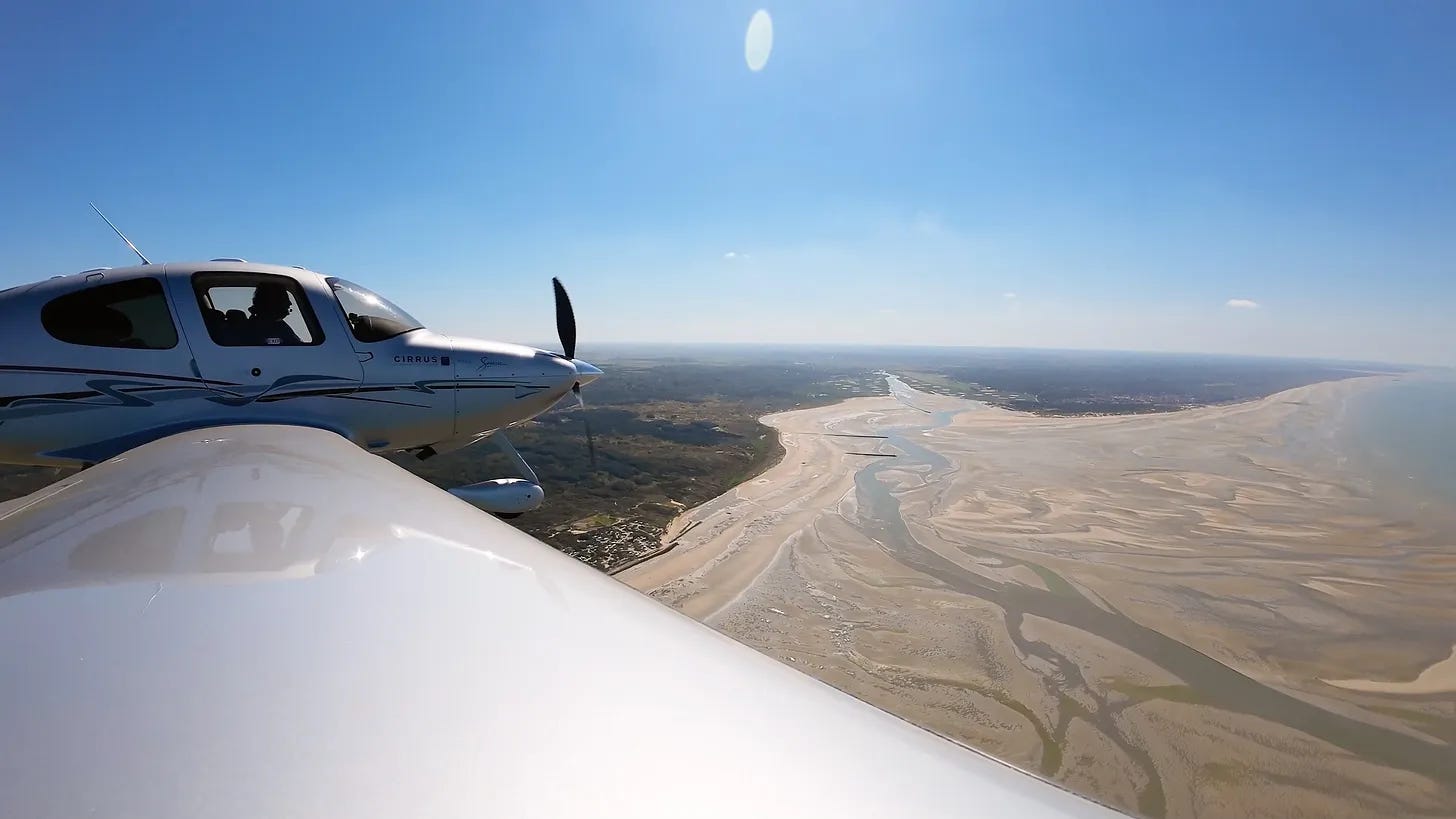
Getting to Le Touquet is easier than most people expect. From the UK, you’re looking at a short Channel crossing and a straightforward one-hour drive down the northern French coast. Parking in town is simple, and every hotel worth staying at has it.
If you’re a pilot, you’ve probably already been. Le Touquet is one of those airports that British pilots accumulate hours to, often on a Sunday morning with no particular plan. It has customs and border force on site, a friendly team on the ground, and a Golden Retriever called Marcus who considers himself the real person in charge.
The beach and town centre are about two miles away — easy by bike, manageable on foot.
For years, I was one of those pilots who landed, had a coffee, and flew home. I thought I knew the place. I didn’t, not really. This guide is the result of actually staying.
Arriving in Town: A Forest Welcome
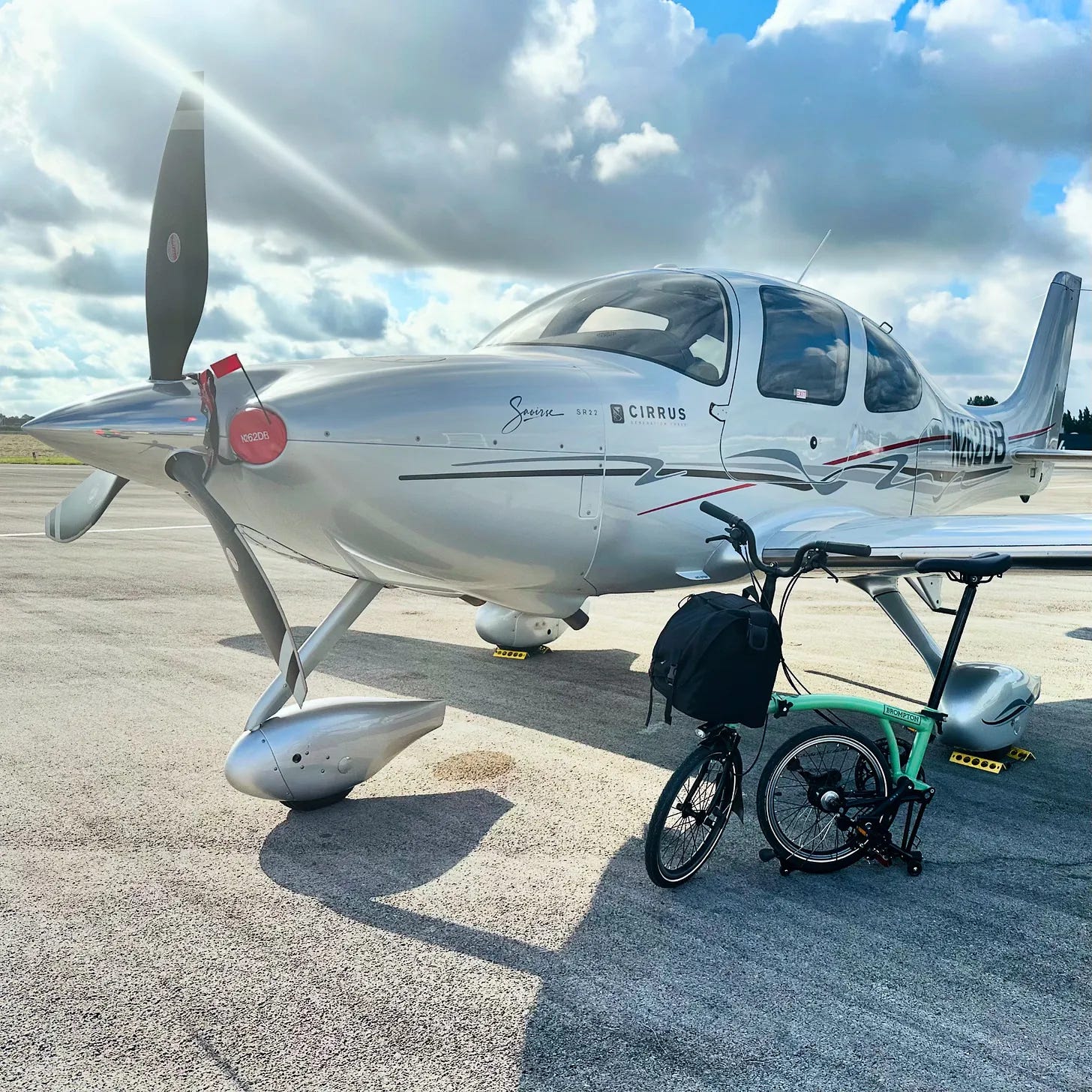
As soon as you leave the airport (I highly recommend grabbing a bike and this map), you'll find yourself enveloped by a lush pine forest. In fact, two-thirds of Le Touquet is covered in these trees.
The trees have been here since 1837, when Alphonse Daloz planted them across the dunes to stop them moving. It worked, and the forest stuck.
Today, it’s full of villas sitting quietly between the pines, and the whole thing has a slightly improbable calm about it for somewhere so close to the beach.
A short ride from the airport brings you to Le Westminster Hotel, which has been here since 1924 and survived the war intact.
It’s one of the most beautiful buildings in town, and it comes with a story: Sean Connery reportedly signed his first James Bond contract here. I have no idea if that’s true, but the hotel looks exactly like the sort of place where it should be.
I can imagine him signing his iconic 007 contract right there, probably with a glass of martini, shaken, not stirred!
Le Touquet Express: Making the Most of a Few Hours
Just past Le Westminster, you're in the historic centre. It's a slightly eccentric mix of Belle Époque, Art Deco, and seaside town (sometimes a bit too laid-back, if you ask me).
But it's compact, walkable, and full of things worth stopping for. With a leisurely lunch, this loop takes about three hours. Oh, and if you need a map of the highlights, here’s one.
The Tennis Club and Palais de Congrés


The Tennis Club has been here since 1903, and it’s considerably grander than you might expect from a seaside town. Twenty-six courts, five of them indoors, a 900-seat central court, a swimming pool, and three football pitches. Courts and the pool are open to visitors, so if the mood takes you, you can just turn up and play.
Just across the road, the Palais de Congrès started life as a casino in 1913, and not just any casino. It’s believed to have inspired the fictional Royale-les-Eaux in Ian Fleming’s Casino Royale, which tells you something about the kind of place Le Touquet was. These days it hosts concerts, theatre, and events.
The Hermitage Hotel and Avenue du Verger


A short walk brings you to the Hermitage Hotel, built in 1910 and once the most coveted address in town. It’s private residences now, so the outside is all you’ll get, but it’s enough. Take a moment with it.
As we continue our walk, we reach the bustling Avenue du Verger. These Art Deco shops, constructed in 1927, once housed the world's most prestigious luxury brands. Today, they've been transformed into cafes and restaurants, perfect for a quick coffee break or a leisurely lunch.
The Lighthouse and La Village Suisse
There were two lighthouses here before the war. Both were destroyed in the bombings, and a replacement was built in 1951. It’s a listed monument now, and you can climb it: 274 steps, no lift. The view from the top is genuinely worth the effort.
A short walk away, Le Village Suisse is a cluster of houses in an improbable mix of medieval and Swiss chalet styles. It once marked the entrance to Le Touquet, and it still looks slightly surprised to find itself in northern France. I mean that as a compliment.


Ypres Garden, Saint Jeanne d'Arc Church and The Town Hall
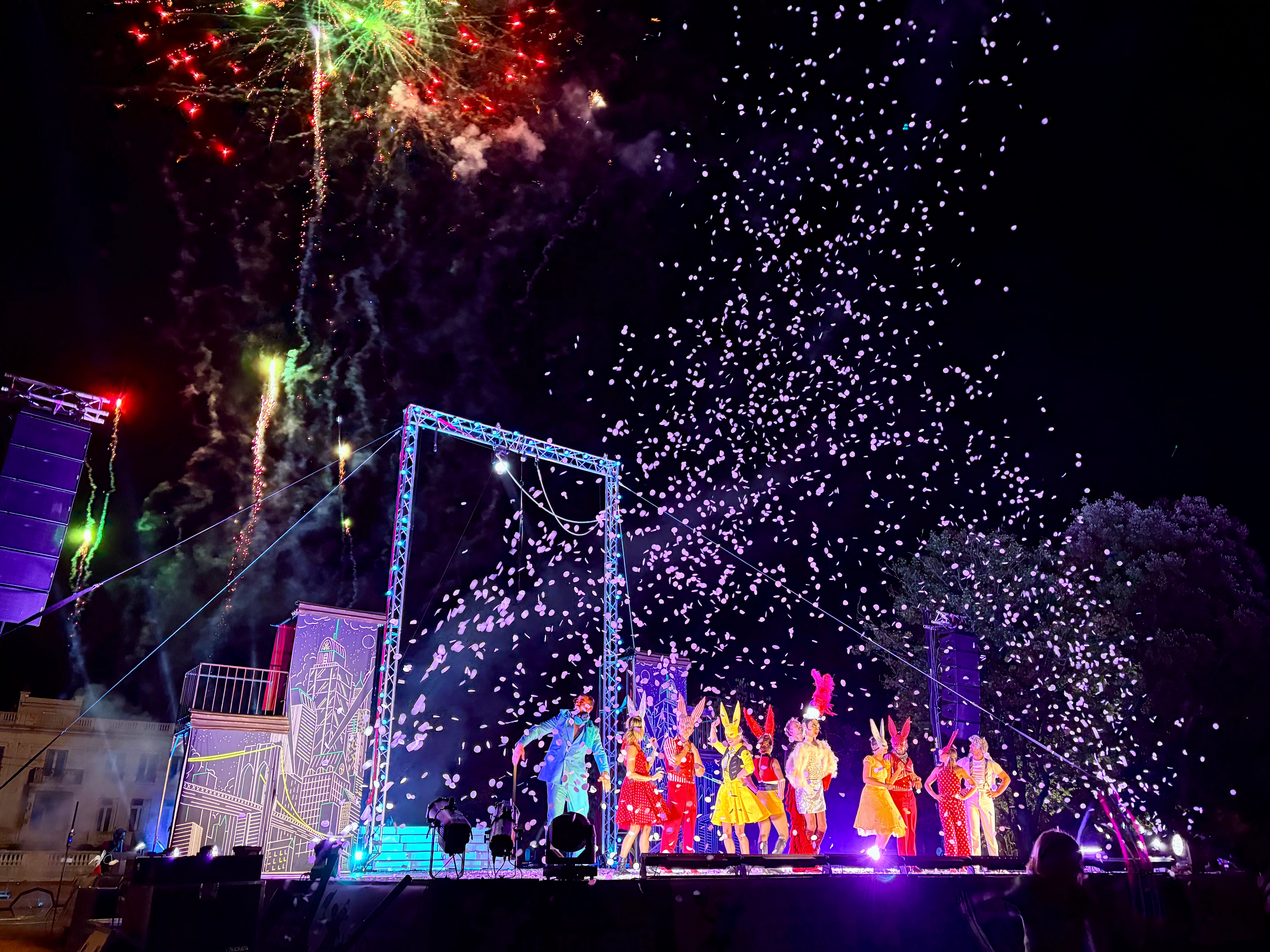
The Ypres Garden is named in memory of the Belgian refugees Le Touquet took in during the First World War. It’s a quiet spot with a good story behind it. In summer, it hosts music and circus shows for families.
Across from it, the Saint Jeanne d’Arc church was built in 1911. Please go inside and look at the stained glass windows. I’m not usually someone who says that about churches, but these are something else: the whole story of Joan of Arc told in light and colour. Don’t walk past.
The Town Hall sits just opposite, a listed building that’s hard to miss. It has the confidence of architecture that was built to impress, and it still does.


The Market and The Post Office
Right by the Town Hall, the Indoor Market is hard to miss, a listed building with a distinctive arched facade that gives it away before you’ve read any signs. It’s open on Thursdays and Saturdays, and on Mondays during summer, when vendors spill out into the surrounding streets and you can find almost anything you didn’t know you needed.


Next to it, the Post Office is a proper Art Deco building and a listed monument. If it’s open when you pass, go in. It’s genuinely beautiful, and most people walk straight past it.
Au Chat Bleu and the Beach
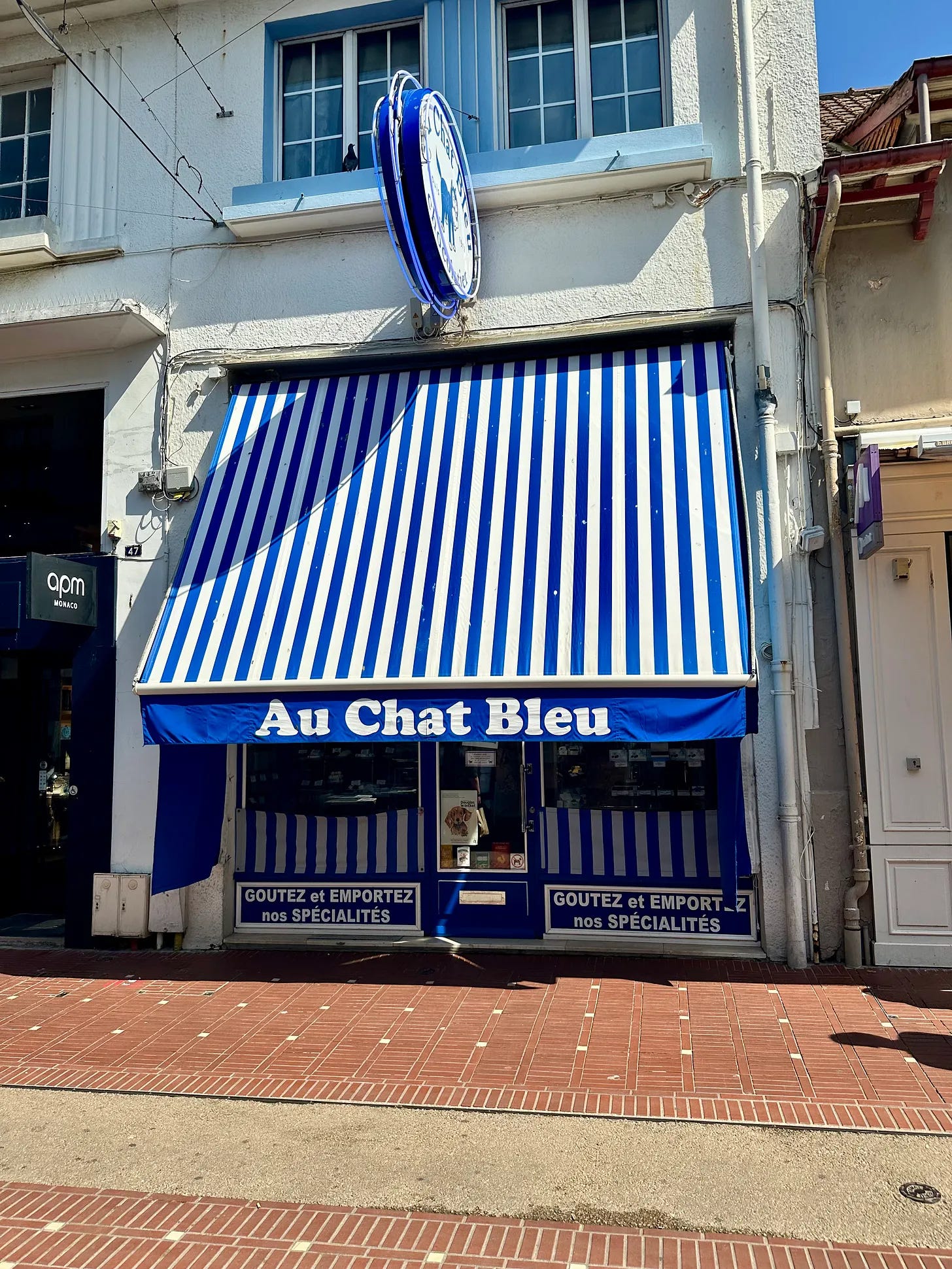
Before you leave the centre, stop at Au Chat Bleu. It's been here since 1912, started by two sisters with a shared passion for cats and chocolate, and it's now one of the most well-regarded chocolate shops in France. Worth a visit even if you weren't planning on buying anything. You will be by the time you leave.
From there it’s a short walk to the beach, where the coloured wooden cabins have been sitting since 1960, doing exactly what they were built to do. They’re cheerful and a little eccentric, and they suit Le Touquet perfectly.
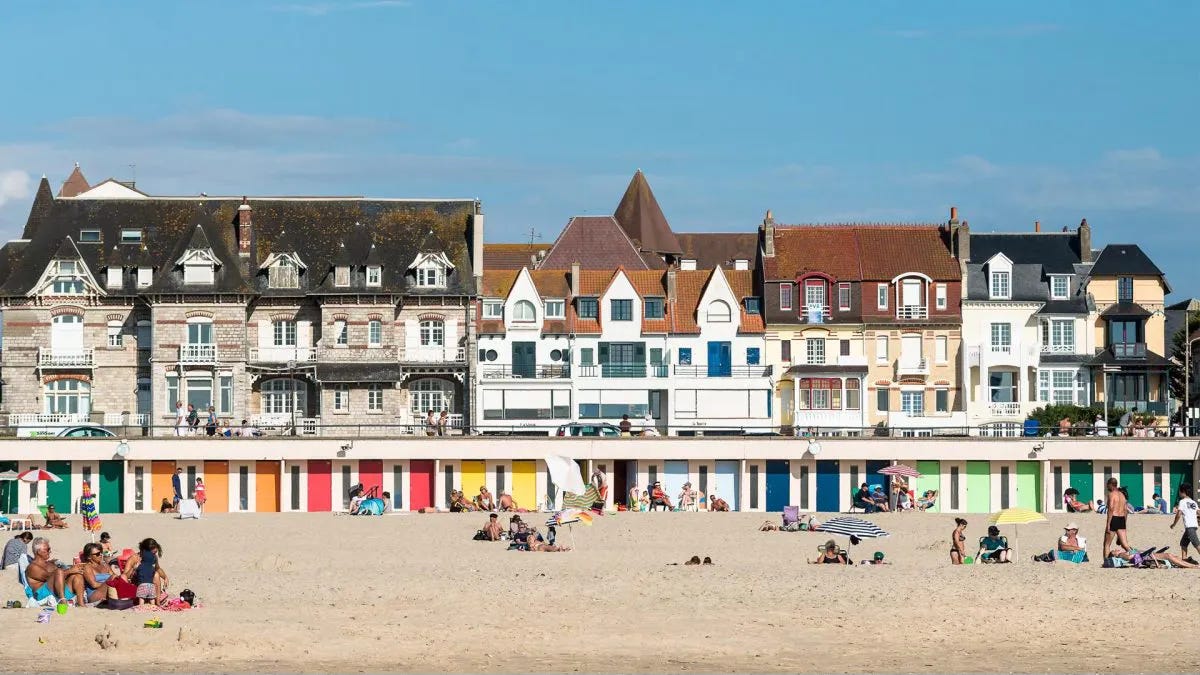
That’s the three-hour loop. If that’s all the time you have, it’s enough to understand why people come back. If you have longer, the best is still ahead.
Embracing Nature: Le Touquet's Magnificent Beach and Beyond
If there's one thing that defines Le Touquet, it's its sprawling beach.
The beach is eleven kilometres long and wide enough that it never feels crowded, even in August.
At low tide, it stretches so far you almost lose sight of where the sand ends and the sea begins. There are beach clubs for children and cafes along the front, and plenty of space to do nothing in particular, which is underrated as an activity.

Exploring Canche Bay Nature Park: A Sanctuary for Wildlife
Head north along the beach and the town quietly drops away. The Canche Bay Nature Park covers 45 hectares of protected dunes and forest, with walking and cycling trails that feel a long way from anywhere, even though you’re ten minutes from the centre.
The view from the observation points across the bay is one of the best in the area. At low tide, seals appear on the sandbanks, not always, but often enough that it’s worth looking. Thousands of birds pass through during migration season, so if that’s your thing, bring binoculars.

La Base Nord, one of my favourite restaurants in Le Touquet, sits right by the watersports centre here. I’d recommend timing your visit accordingly.
Watersports Wonderland
Le Touquet takes sport seriously. Seriously enough that the England rugby team based themselves here for the 2023 World Cup, which tells you something about the facilities.
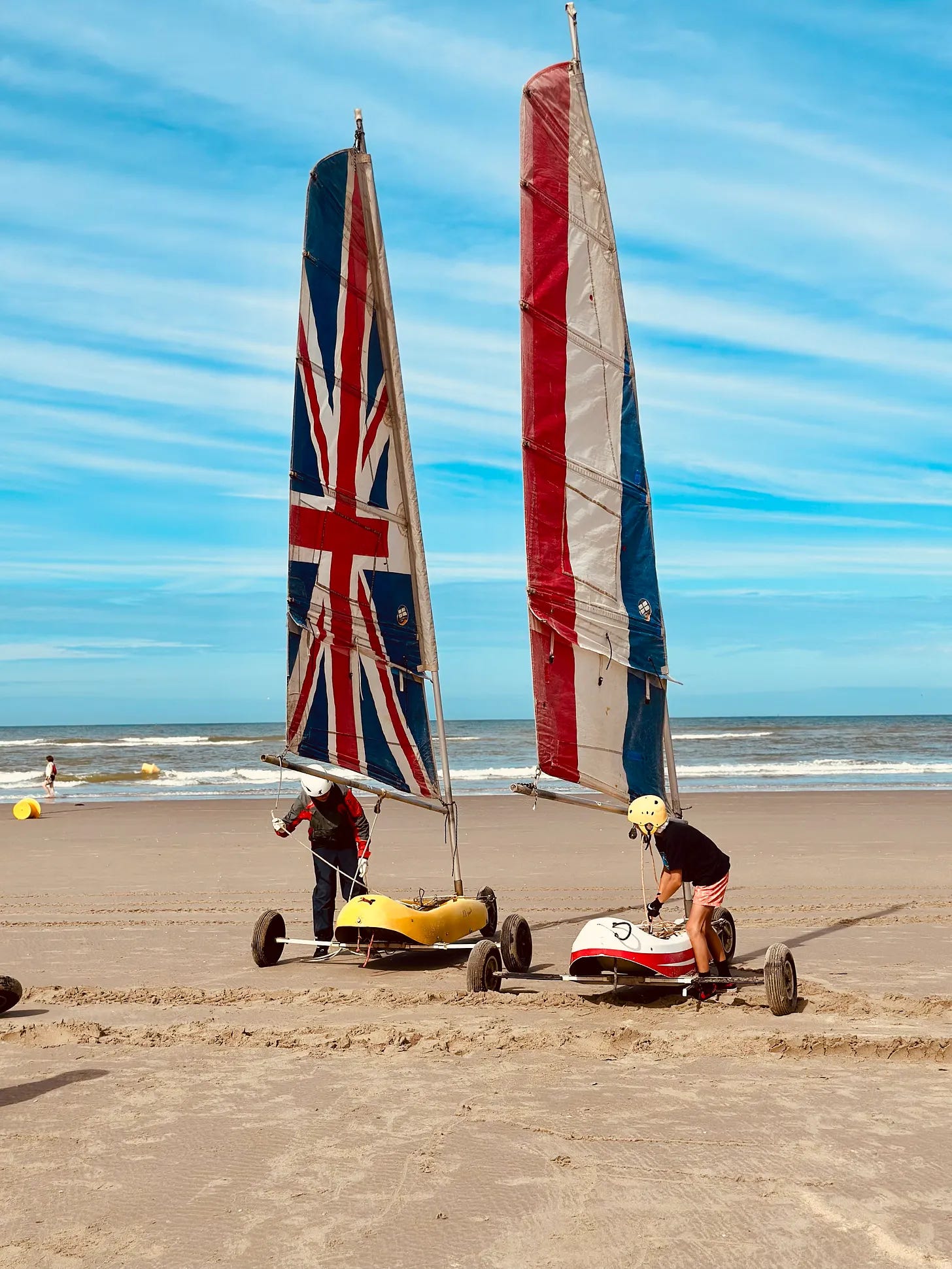
The beach is the main venue. At the southern end, La Base Sud specialises in sand yachting — wind-powered vehicles on wheels that cross the flat sand at over 90 kilometres per hour. They look improbable and apparently feel extraordinary. I booked a two-hour session to find out for myself. The wind that day was under 10 knots. The session didn’t run. I’m going back.
If the wind is more cooperative than it was for me, a two-hour discovery session is the way in. And if sand yachting isn’t your thing, the same centre offers paddleboarding, surfing, and kitesurfing.
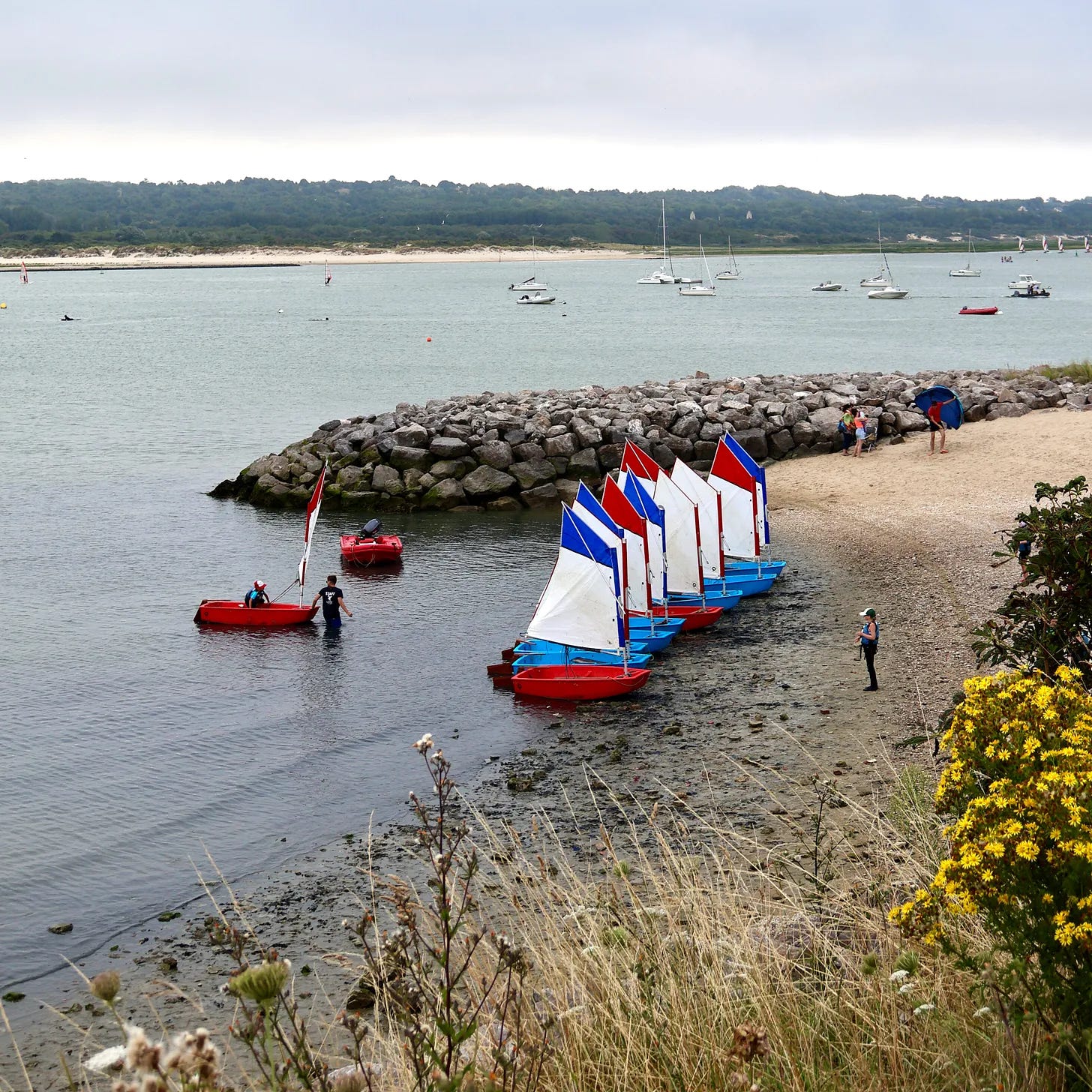
The northern centre, Canche Bay Watersports, covers sailing, kayaking, canoeing, and pretty much anything else you might want to do on or near water. You can also take a 45-minute river cruise around the estuary from there. On my list for next time is a jet surfing lesson, though I’m saying that quietly so nobody holds me to it.
Beyond the Beach: Le Touquet's Equestrian and Golfing Highlights


The Prince of Wales used to fly over to Le Touquet for polo and golf in the 1920s, which says a lot about the kind of place this was.
The Equestrian Park he visited has since served as an Olympic training base, and it’s still considered one of the finest in France.
What I like about it is that it doesn’t feel exclusive. The facilities are open to everyone, and you can spend a perfectly good afternoon there without sitting on a horse once.
That said, if you have children with you, the pony rides tend to settle the matter quickly.
For experienced riders, there are daily group rides to the beach and through the surrounding forest and dunes — 45 kilometres of dedicated trails in total. And if you happen to be there in spring, the International Showjumping Competition is worth catching. Five hundred horses from 20 countries.
It’s quite a sight.
Tee Off in Style
Golf is woven just as deeply into Le Touquet’s identity. The town emblem is a caddy, which tells you everything.
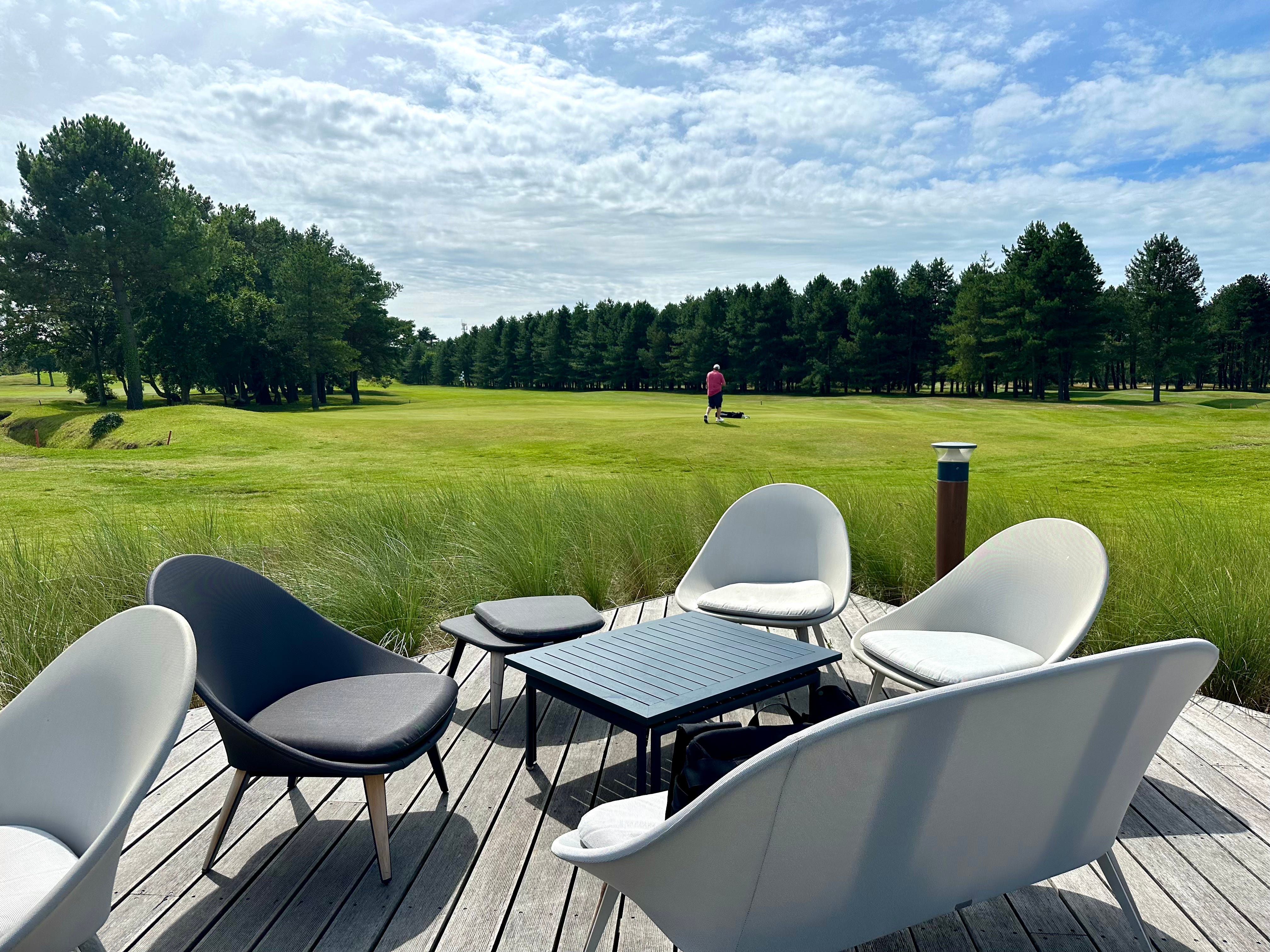
The resort has been running for over 115 years and is ranked among the best courses in Europe. Three options: an 18-hole course through the pine forest, a 9-hole course for a shorter round, and a practice course if you’re working on something specific.
The clubhouse restaurant is open to the public, which means you don’t need to pick up a club to enjoy the setting — and the setting, framed by pines and dunes, is reason enough to go. I’ve never played a round in my life, but I’ve had lunch there, and I’ll be back for that alone.
Thrill Seekers Unite: Parc Bagatelle Awaits!
If you’re travelling with children, the beach and the wooden carousel in town will keep the younger ones happy. But five miles outside Le Touquet, Parc Bagatelle is worth knowing about for when the beach isn’t quite enough.
It’s a proper theme park with over 35 attractions, including rollercoasters, water rides, and a small farm. Under 30 euros per person, or around 100 for a family, which for a full day of entertainment is hard to argue with. In my experience, the rollercoasters produce more screaming than laughter, but that’s probably the point.
Getting there without a car is straightforward. There’s a regular bus service, and taxis work too, though in summer they can be scarce. Ask at the airport or hotel for reliable contacts.
Le Touquet by Night
When the sun goes down, the action moves to Rue St Jean. Restaurants, nightclubs, and casinos fill up, and the town feels like a different place from the one you walked around that afternoon — livelier, louder, and a little more French about it.
If you’re into music, Le Touquet rewards the effort of checking the calendar before you go. There are jazz festivals in both summer and winter, plus opera, theatre, and ballet throughout the year. The big one is the Beach Music Festival in August, a full weekend of dance music on the sand that draws crowds from across France. Fatboy Slim headlined in 2025. It’s that kind of event.
Check the local events agenda before you travel. It’s easy to arrive and discover you’ve just missed something worth staying for.
Checking In: My Honest Hotel Reviews
A century ago, Le Touquet had some of the most prestigious hotels in Europe. A handful survive, in one form or another.
All the options below are pet-friendly, though there's usually a fee for that.
The Westminster Hotel
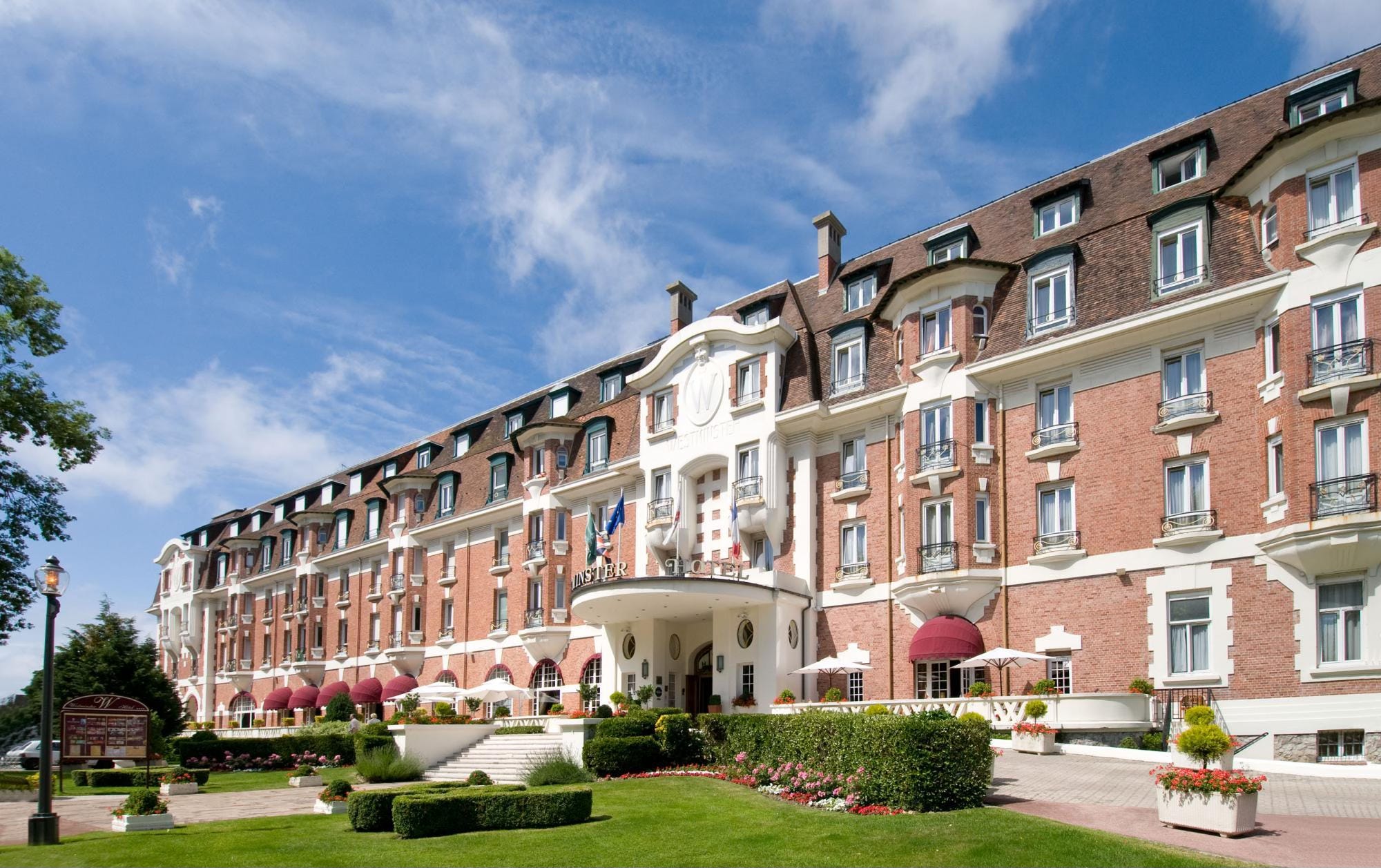
You've already walked past it, so you know what the building looks like. The inside lives up to it. Spacious rooms, attentive service, and a complimentary kids' club that parents tend to appreciate more than they expect.
One honest caveat: the cancellation policy is stricter than I'd like, especially if you're flying in on a small plane and keeping one eye on the weather. Read the small print before you book.
The Ibis, Novotel and Tribe complex
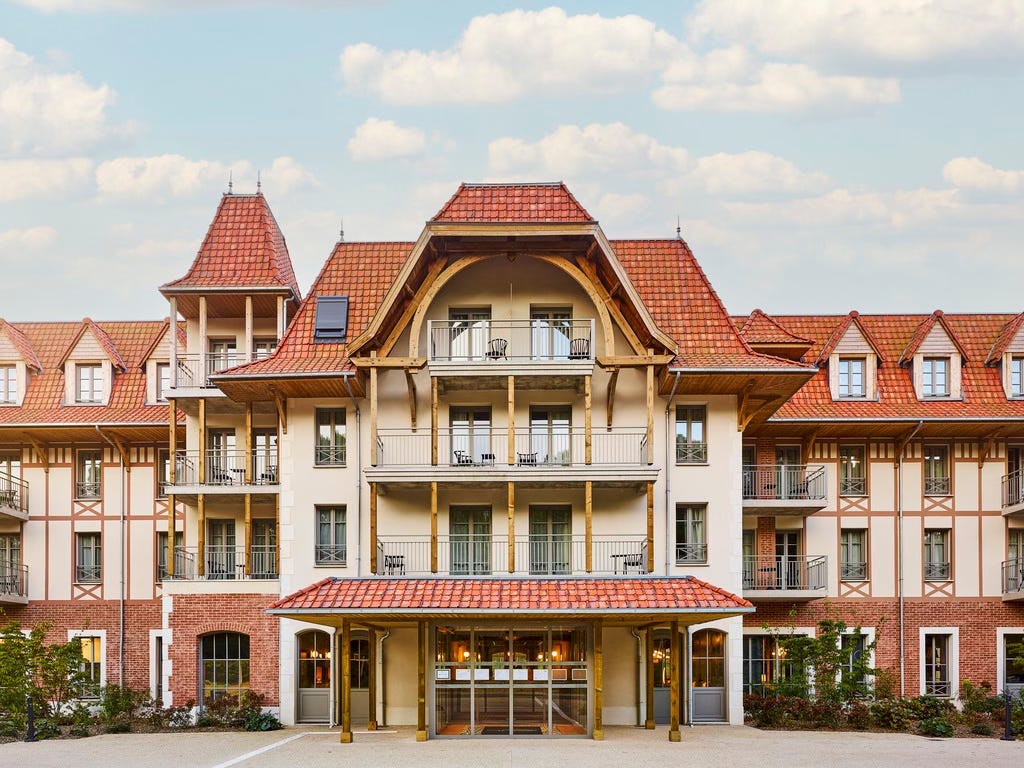
A couple of miles from the centre, near the airport, this complex has three hotels at different price points: Ibis, Novotel, and Tribe, all in the same location among the pines.
Ibis is the budget option, and it's better than you'd expect: decent rooms, a pleasant outdoor bar with pizzas and salads, and a 24-hour cancellation policy.
The distance from the centre puts some people off, but I'll be honest, I prefer it. It's quiet, it's close to the airport, and every morning I'd cycle through the forest into town, which for me is as good a start to the day as any.
Novotel Thalassa


At the southern end of the beach, right on the sand, Novotel Thalassa looks from the outside like it was designed by someone who'd never seen a hotel.
Inside it makes more sense: floor-to-ceiling windows, sea views from the rooms, an indoor saltwater pool, and a spa.
If you're travelling with family and the beach is the main event, the location alone makes it worth considering.
Renting a House
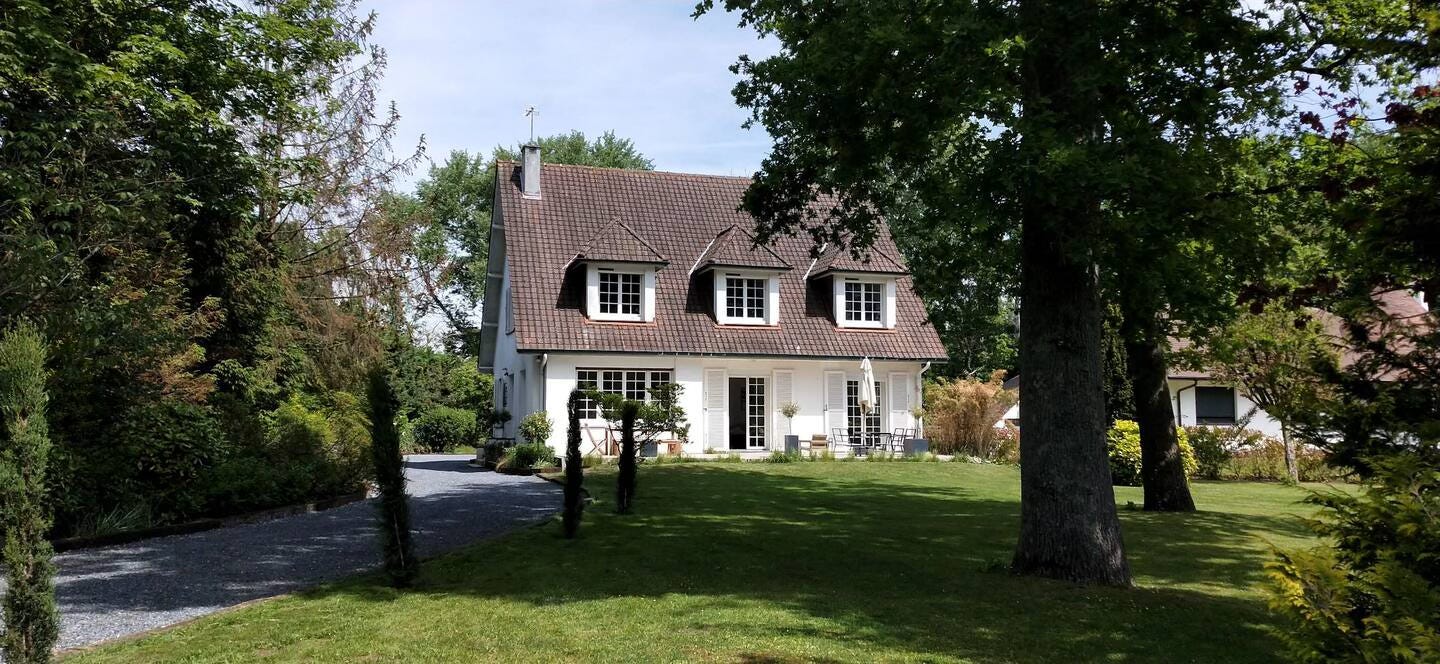
This summer I spent the whole of August in Le Touquet, which meant the family needed more than a hotel room. We ended up in a six-bedroom house in the forest, close to the airport and big enough for the various relatives who flew in from across Europe at different points during the month. It worked out to around £40 per person per day, which for a house that size in August felt like a fair deal.
If you’re thinking about doing something similar, Airbnb and Vrbo both have good options across most budgets.
My advice as a pilot: look at the map before you book. Being close to the airport isn’t just convenient for arrivals and departures — it means you’re in the quieter, forested part of town, which I find is the better half anyway.
Restaurants - where the locals eat and my recommendations


During my time in Le Touquet, I made a point of asking locals where they actually eat, which is a different question from where they send tourists.
The names that came up most often were Le Paris Plage, La Petite Charlotte, La Taverne Royale, and Jeans’ Cafe, all clustered around Rue St Jean. Le Perard is the go-to for fish and seafood, and probably the most famous restaurant in town. For a special occasion, Le Pavillon at Le Westminster holds a Michelin star and earns it.
My personal favourites, though, are a different list. I’ll be honest: I think all four of these are better than most of the places above, though I say that as someone who eats enthusiastically rather than critically.
La Base Nord: My family has eaten here more times than I can count, and the views across Canche Bay are the best in Le Touquet. The food matches the setting, which is not always the case with restaurants in beautiful locations.
Le Jardin: Across from the Palais de Congrès. Impeccable service, a menu that justifies the attention, and somehow quiet even when it’s full. The kind of place that makes an ordinary Tuesday feel like an occasion.
La Nonna: Craving authentic Italian cuisine? Look no further than La Nonna. Tucked away within the Tennis Club, this (literally) hidden restaurant serves up the best Italian fare in town. The relaxed atmosphere, with views of the historic tennis courts, adds a unique charm to the dining experience. It's a delightful surprise and a must-visit for any pasta lover!
A Table: Tiny, by the market, open for a few hours at lunch and dinner only. It reminds me of my grandmother’s kitchen — the portions are generous, everything is made from scratch, and nobody is trying to impress you. Book in advance. There are about twelve seats and they fill up.
These are just a few of my personal recommendations, but please do venture off the beaten path and explore Le Touquet's diverse culinary scene. There are so many restaurants available and you never know what delicious surprises await.
Further Away - Visiting Normandy
This summer, my father came to visit me in Le Touquet. He fought in the Portuguese Colonial War (1961-74) and always wanted to visit the American Cemetery in Normandy. So, I was determined to make it happen.
From Le Touquet, we flew 45 minutes to Caen. A rental car was waiting for us, and 30 minutes later, we were on Omaha Beach.
By car, the whole return journey would have taken us eight hours. Le Touquet is perfectly located to let you explore Normandy and its rich history.
Au Revoir, Le Touquet!
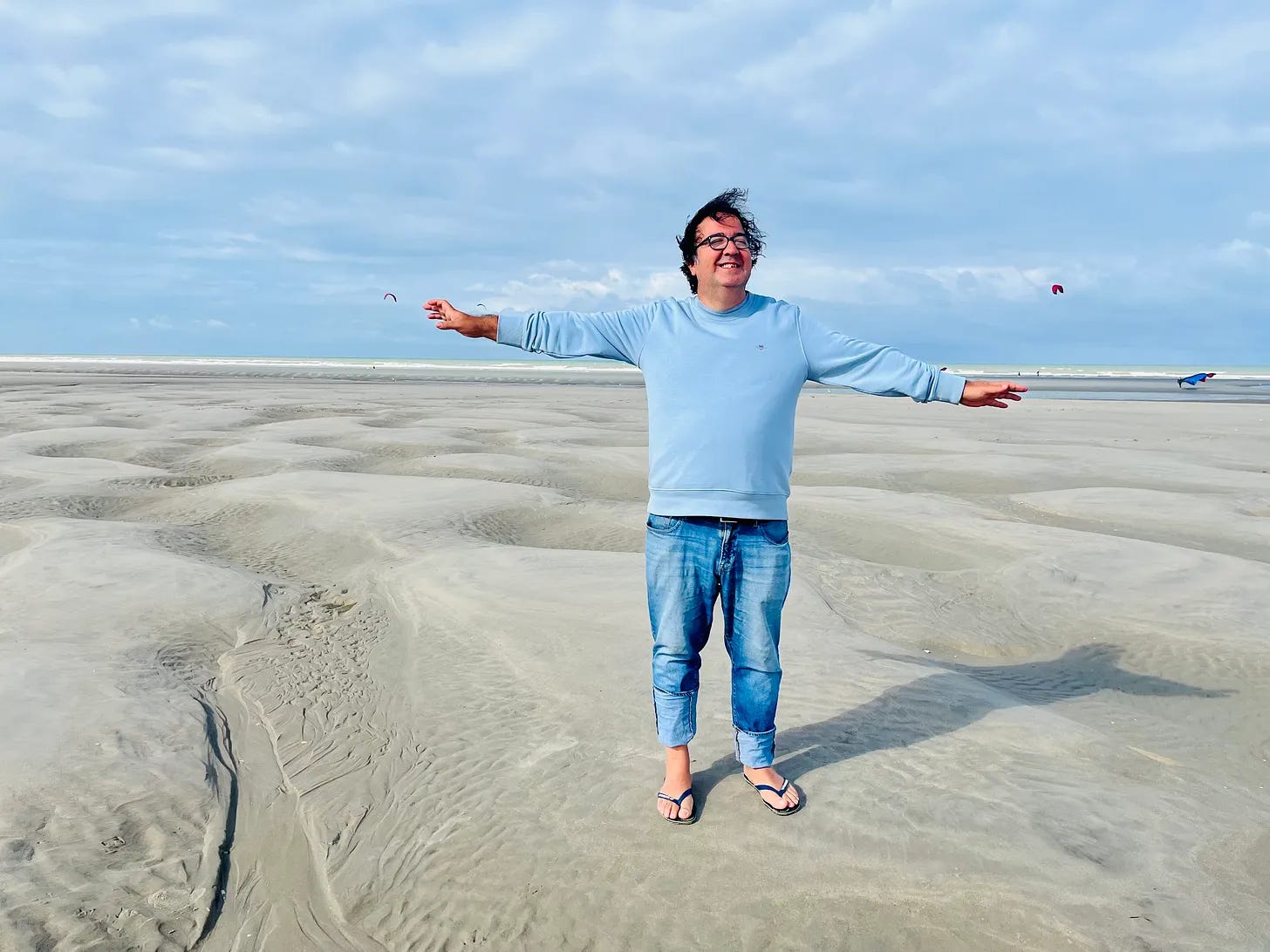
Le Touquet was once the most fashionable resort in Europe. Then, for a long time, it was mostly forgotten. I’m not sure exactly when it slipped off the radar, but I’m quietly glad it did. It’s a better place for it. Less performance, more substance.
It gets under your skin without making a fuss about it. You arrive thinking you’re there for a weekend, and three summers later, you’re spending the whole of August. I’m not sure I can explain it better than that, and I’m not sure I need to.
If I still believed in Santa, I’d be dropping some serious hints about a summer house here.
Au revoir, Le Touquet. Until next time.