

Why Is It So Hard to Help?
On what nobody tells you about trying to do something good.

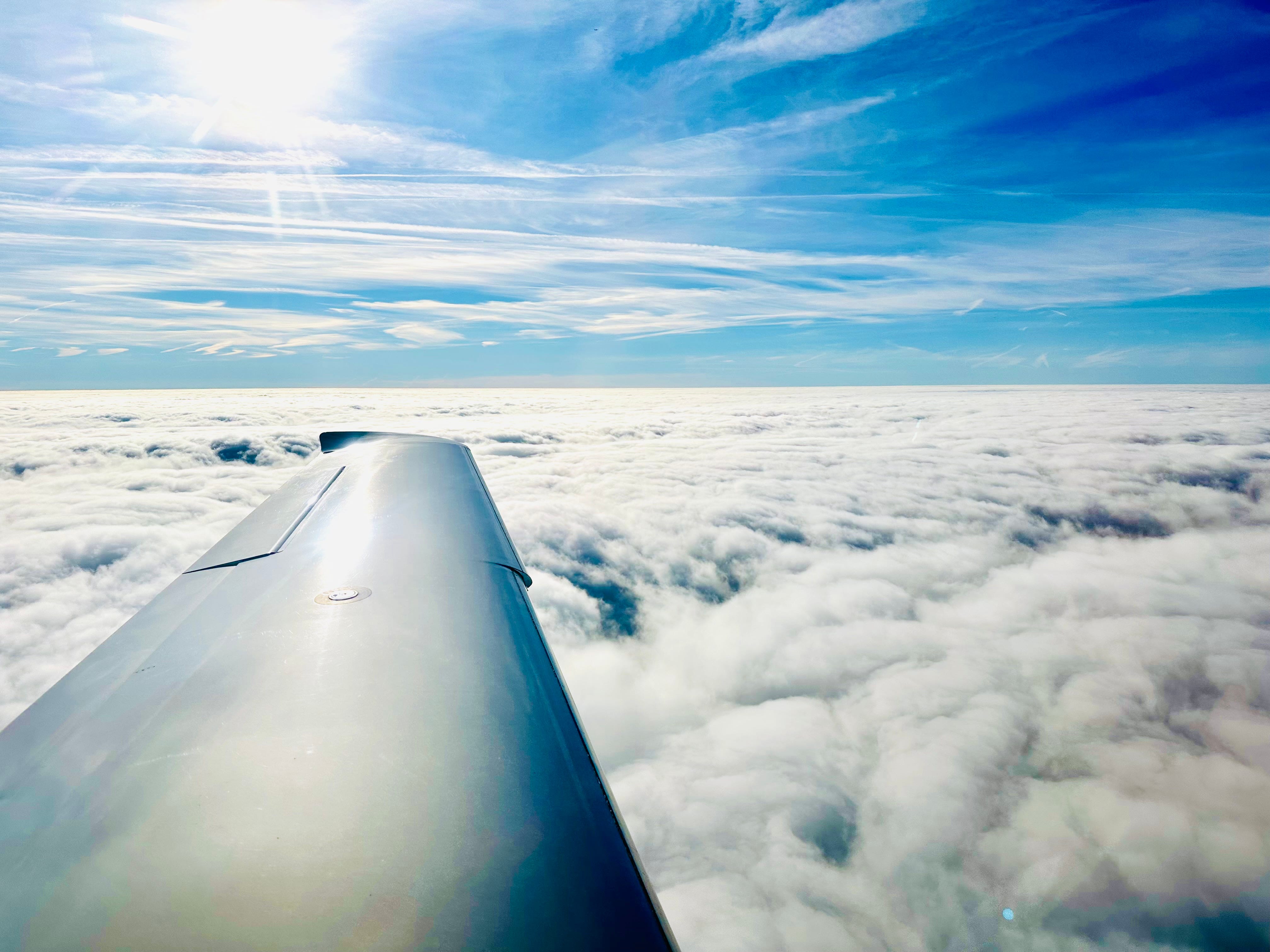
I own an aeroplane. I have a licence to fly it. I have time, I have the energy, and I have a genuine desire to take people up into the sky who might need, more than most, to be reminded that the world is bigger and quieter and more beautiful than whatever they’re going through on the ground.
You’d think that would be enough.
It isn’t.
It started, like most honest things do, with a simple idea. People are suffering. People are lonely. There are children in the hospital who have forgotten what ordinary feels like. And I have this extraordinary machine that can offer a few free hours of complete escape, a horizon that doesn’t care about diagnoses or prognoses, and the particular silence that only exists a thousand feet above everything.
I trained for years to fly. And the limiting factor isn’t skill, or weather, or cost. It’s a reply to an email. There’s something almost funny about that.
I wrote emails. Lots of them. To hospitals, charities, community organisations, and support groups. Warm, careful emails that explained exactly what I was offering and why. I built a website. I collected quotes from passengers. I gathered news coverage. I essentially assembled a small dossier of evidence that I am not a madman.
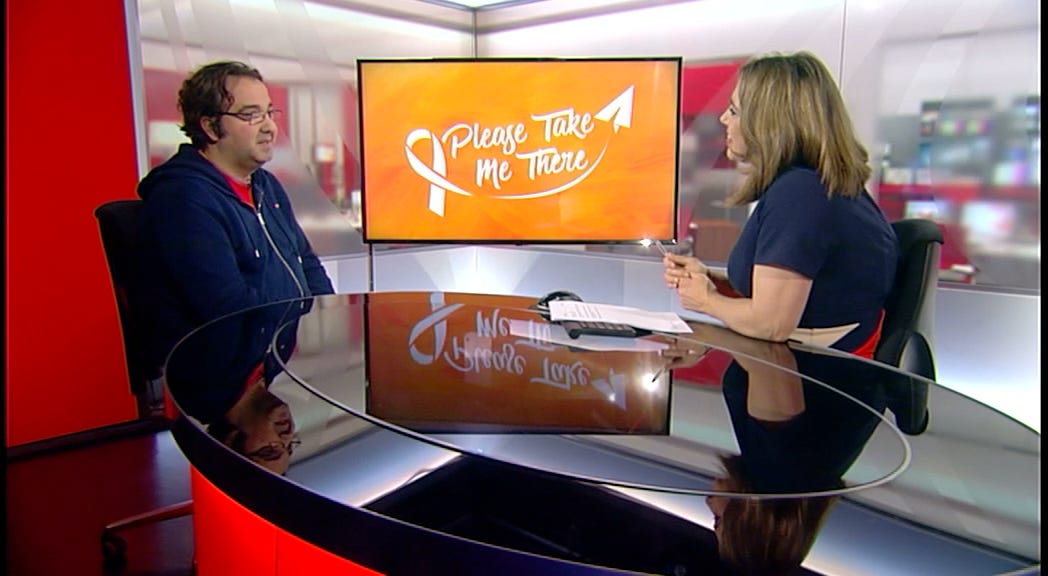
The replies, when they came at all, were polite. And then nothing.
For a long time, I told myself this was about trust. That we live in an age of suspicion, that no good deed goes unscrutinised, that kindness now requires a paper trail.
There’s something to that.
But it’s not the whole story, and honestly, it’s a bit too convenient. It lets the institutions off the hook and it makes me sound bitter, which I’m not. Not really.
The closer I’ve looked, the more I think the problem is simpler and stranger than distrust. It’s that large organisations aren’t built for undefined objects. My offer doesn’t fit a category. It isn’t a donation, it isn’t a service, it isn’t a corporate partnership. It lands in an inbox as something that requires someone to make a decision that nobody told them they were allowed to make. So it sits there. Not rejected. Just unprocessable.
The organisations that have worked, a social worker, a small charity, have one thing in common. One person who had enough freedom and enough humanity to just say yes. They saw the thing for what it was and they acted on it. No committee. No liability form. Just yes.
And then there are the families I’ve found the other way entirely, through news stories, through word of mouth, through the occasional message to someone whose situation I’ve read about and thought: you could use two hours above the clouds. Those families say yes almost immediately. Every time.
Because when you talk directly to the person who is living it, there’s no translation required. There’s no layer between the offer and the need. They understand exactly what you’re offering and they know exactly what it means.
So I’ve been solving the wrong problem. I’ve been trying to learn the language of institutions, trying to make myself readable to systems designed to protect people from exactly the kind of unsolicited goodwill I’m attempting. And that’s not cynicism. That’s what those systems are for. They’re just not built for this.
What I should have understood sooner is that kindness, at scale, doesn’t flow through bureaucracy. It flows through people.
One person who can say yes. One family who reads a message and thinks, actually, yes, we’d love that. One social worker who decides to trust a pilot with a website and a genuine reason to be there.
I’m still writing the emails. I’ll keep writing them, because occasionally one lands on the right desk at the right moment and something remarkable happens. But I’m also spending more time looking for the families themselves. Finding the person, not the institution.
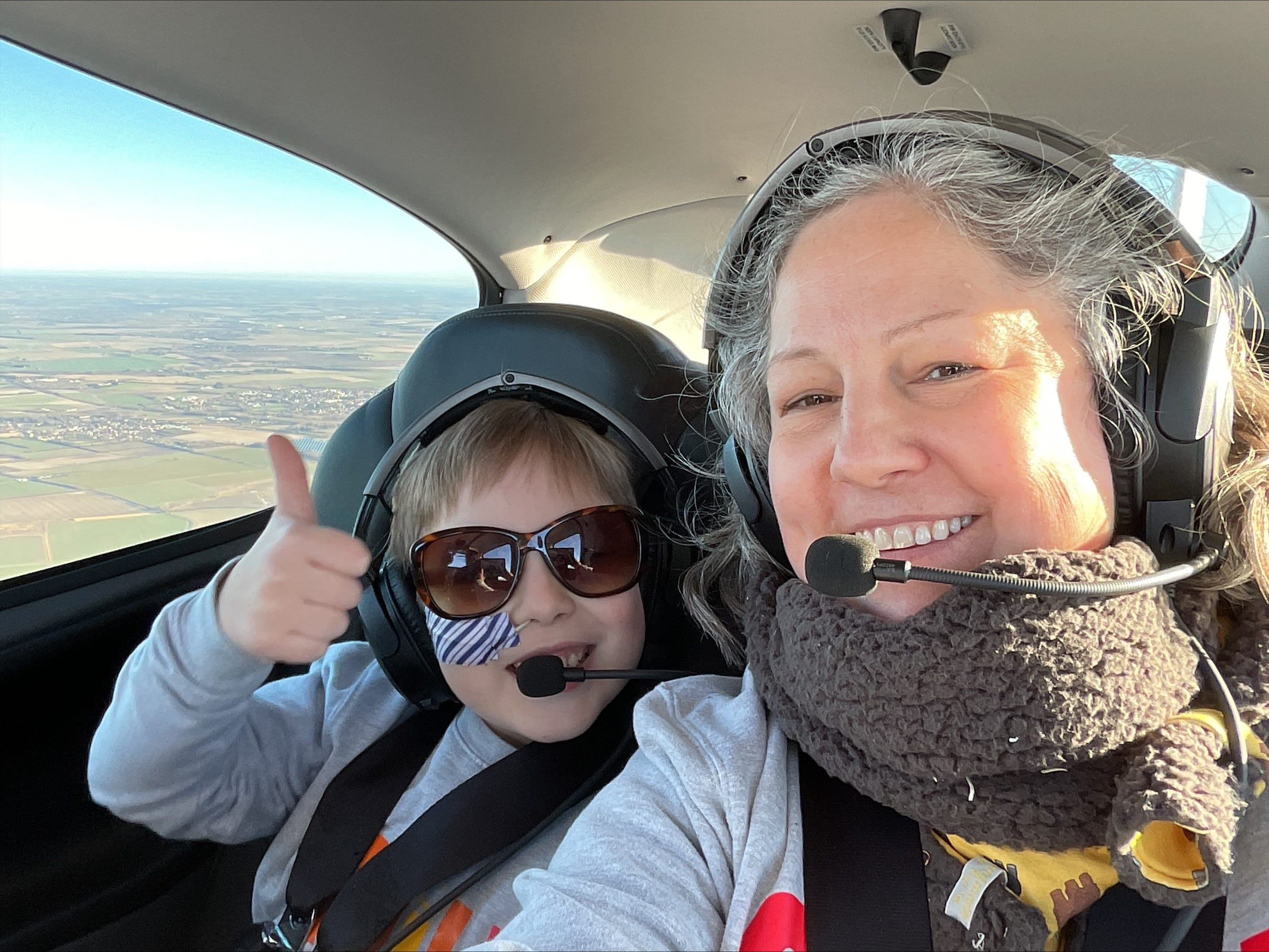
And when I do, when someone unbuckles their seatbelt and looks at me like they’d forgotten, for an hour, that the world was heavy, I know exactly why I got Saoirse.1
Not to navigate bureaucracy. To fly.
Saoirse is our plane, a Cirrus SR22. The name means freedom.
What a wonderfully kind human being you are. In a world full of trouble and sadness, how amazingly fabulous you are!
You are lifting our families spirits in the darkest of times, I absolutely thank you from the bottom of our hearts.
I wonder if you really realise the difference you make to peoples lives!
A friend in the darkness.
Kind regards.
Elaine
WOW, I'm inspired by what you're doing. The realization that kindness at scale flows through people, not bureaucracy, is such an important one. Finding the person, not the institution. That's the whole thing. Keep flying, Fernando :)