

Before the Aeroplane
Before I offered free flights, a small group of us were getting children with cancer to hospital in Myanmar. This is the story of one of them.

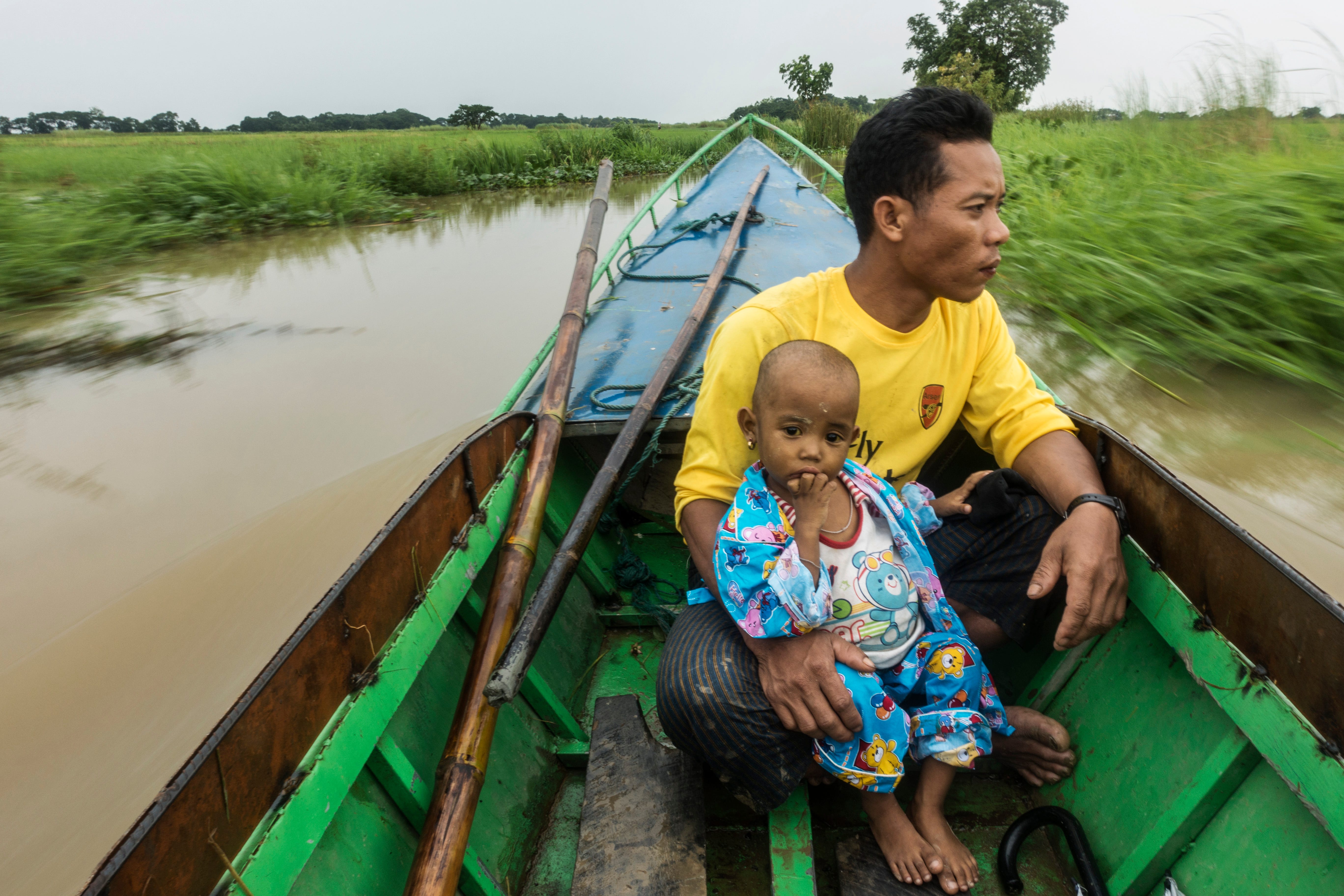
Her name is Thiri Win. She’s three years old. The man holding her is her father. We’re eleven hours into the journey home from the only hospital in Myanmar that can treat her cancer, and we aren't there yet.
The day before, she was given a blood transfusion and chemotherapy. Now she’s in a wooden boat on a brown river, on her way back to a stilt house in a village called Kyon Pati, where the family share a pig with thirty neighbours and the floor is made of bamboo cane.
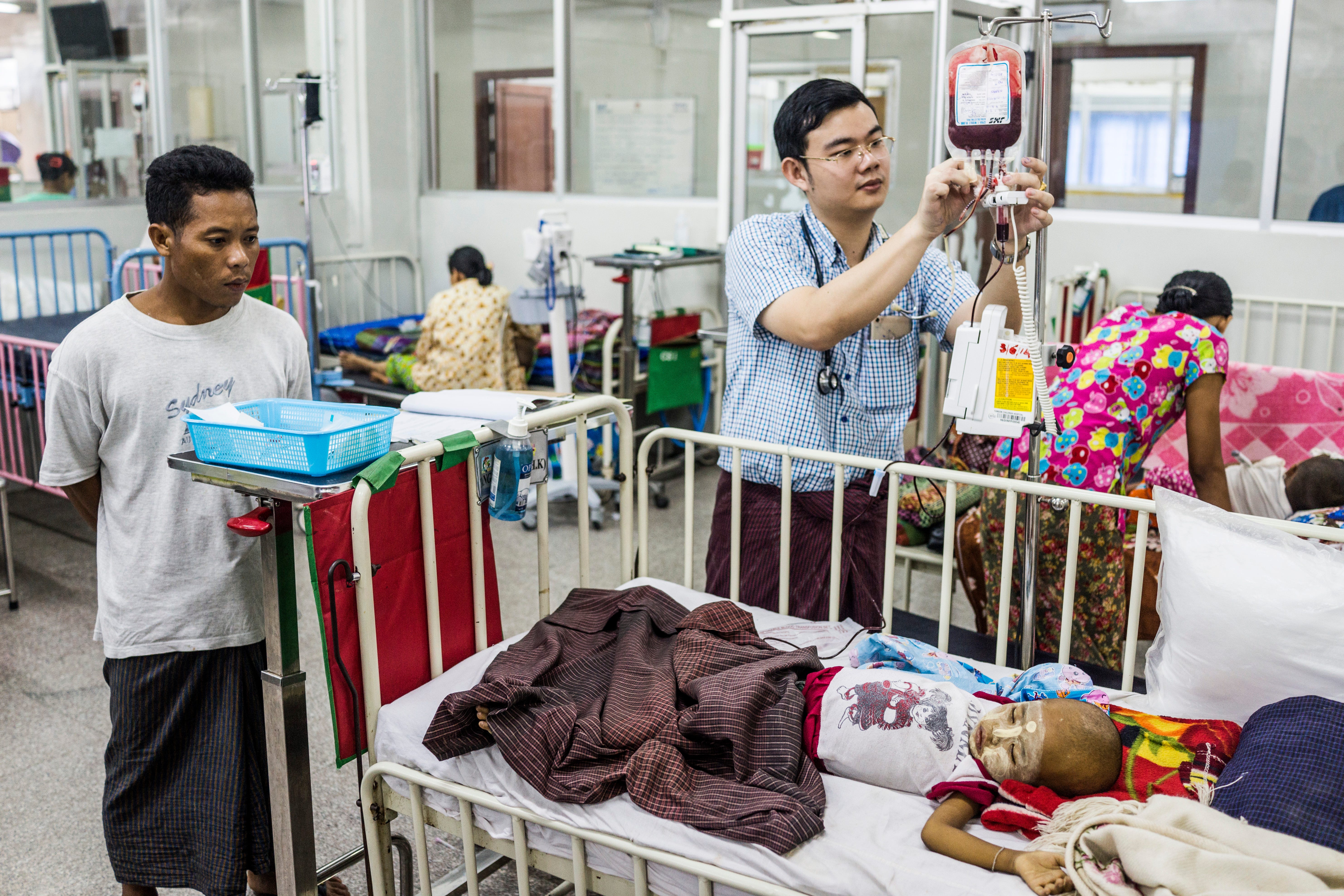
Behind us is a taxi from the hospital, an old bus packed with people in forty-degree heat, a two-hour boat ride down the Irrawaddy. Ahead, another hour in a canoe.
In Portugal, where I grew up, a child in her condition wouldn't be allowed to take public transport. The state would send an ambulance. A doctor would tell the family she shouldn't go to the beach because even sand carries germs.
Thiri Win travels by canoe.
The journey she is on costs about sixteen pounds. Her family, like most families here, lives on less than one pound seventy a day. So most children with her diagnosis never come at all. The ones who do come once often don't come back.
Childhood cancer is treatable in over eighty per cent of cases in wealthy countries. Here, it kills nine out of ten children who get it, and the reason isn't necessarily the disease.
I started Please Take Me There in 2015. The first thing standing between these children and survival wasn't medicine or doctors. It was a taxi fare. So we paid for it. The taxi, the bus, the boat. There and back, again and again, for as long as a child needed it. Over ten years, we covered more than eight thousand of those trips, for families who would otherwise have stayed home.
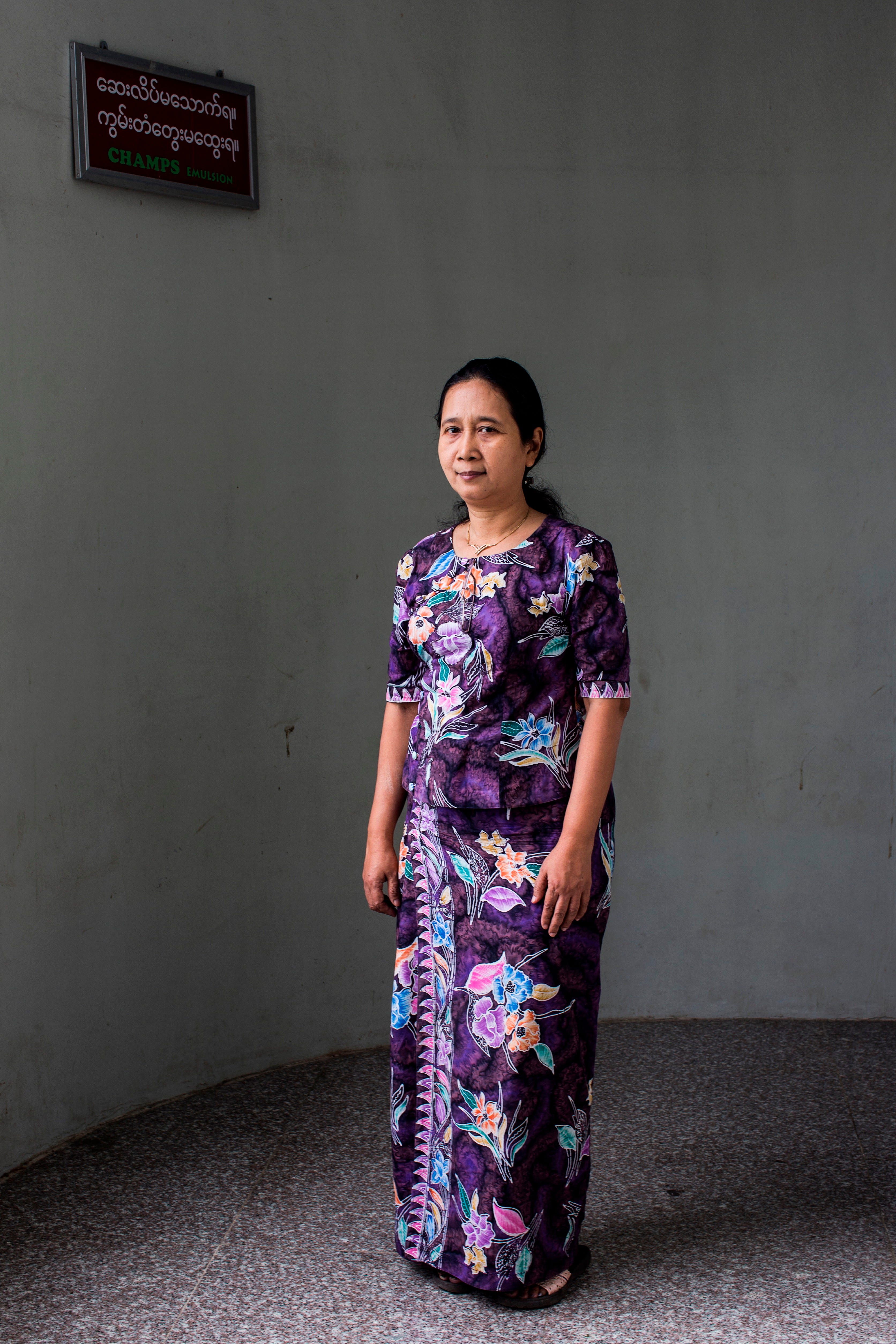
I went back every year. I'd land in Yangon, walk into the hospital, and there'd be Aye Aye Khaing, the doctor who runs the unit, and the team, and the new faces of children who hadn't been there the year before. We were expanding the programme, training people, and working out how to reach families further out. The last time I was there was March 2020.
I didn't know it was the last time. The pandemic closed the borders and then the coup came. The country slid into a civil war that's still going on.
We never stopped sending money. The hospital is still there. The journeys are still being paid for. Thousands more children since I last walked through those wards.
I think about those families every day. Not in a heavy way. Just often and quietly.
When I offer a free flight to someone here in the UK going through a hard time, when they tell me where they need to go and why, I think about Thiri Win's father, holding her against his chest in a boat on a brown river, going home from a hospital because he had a way to get there.
The original reporting and photographs from Myanmar are by award-winning journalists Isabel Nery and João Pina, who travelled with me in 2018 for Notícias Magazine.
Just wow. Endlessly inspired by you Fernando!